How Can You Find the Best Dish at a Restaurant Before You Order?
· 10 min read
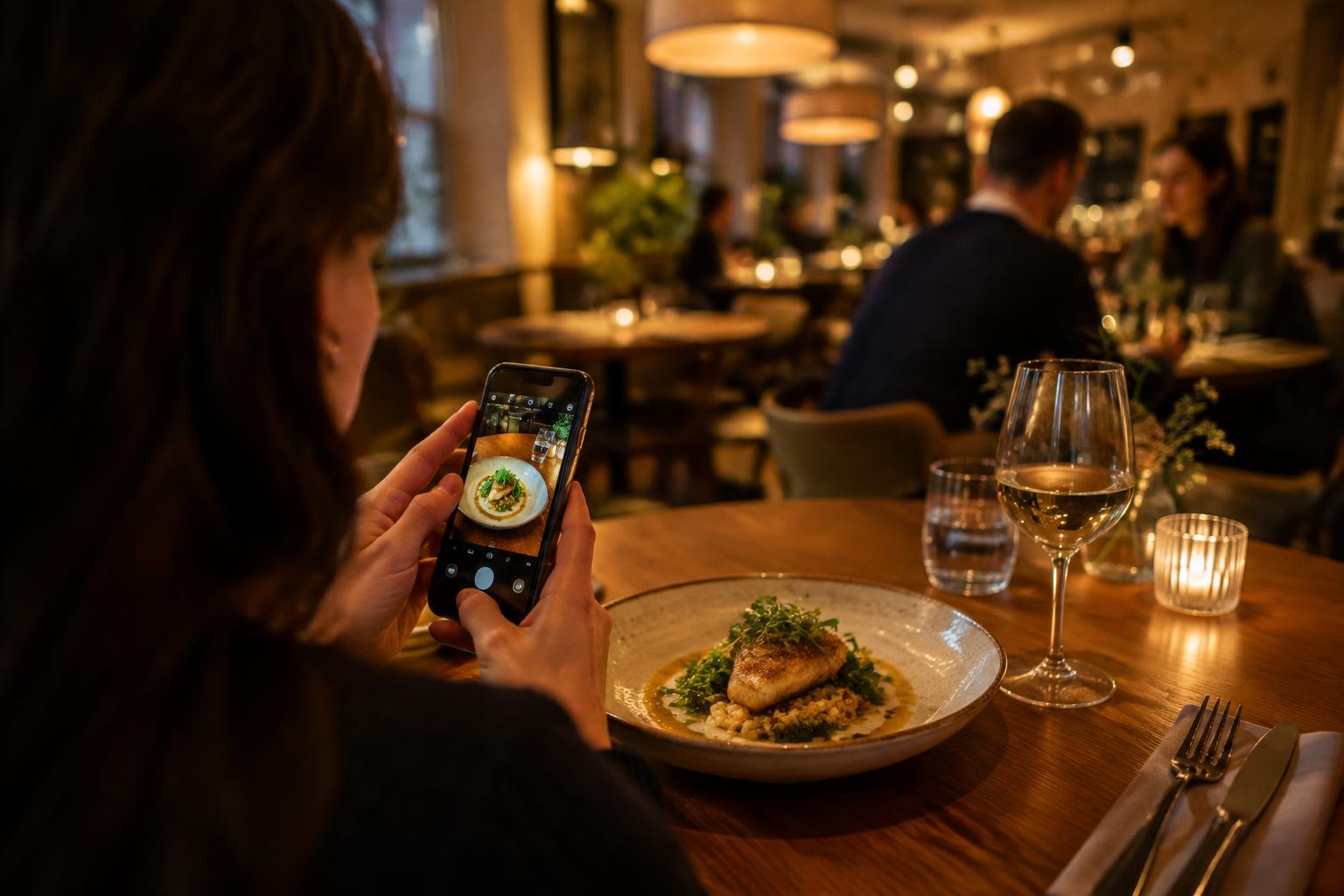
Choosing a restaurant is only half the decision. Once you sit down and open a menu, a harder question often appears: What should I actually order?
A restaurant may have hundreds of positive reviews, an impressive overall rating, and a menu filled with tempting options, but none of that guarantees you will choose the dish people genuinely come back for. Restaurant ratings usually evaluate the overall experience—service, atmosphere, price, location, and food combined—while diners often want something much more specific: the standout plate.
Finding the best dish before ordering requires looking beyond the restaurant's star rating. Recent dish photos, recommendations from people whose taste you trust, menu patterns, and dish-focused discovery tools can all provide stronger clues about what is worth trying.
Why Restaurant Ratings Don't Always Tell You What to Order
A high restaurant rating tells you that many diners had a generally positive experience. It does not necessarily tell you whether the burger, pasta, sushi roll, steak, or dessert you are considering is one of the restaurant's strongest dishes.
Imagine visiting a restaurant rated 4.6 stars. One diner may have praised its service. Another loved the cocktails. Someone else gave five stars because of the atmosphere and attentive staff. Those reviews contribute to the restaurant's overall score, yet they may tell you very little about the chicken sandwich you are thinking about ordering.
Even food-focused reviews can create uncertainty. A review written months ago may mention a dish that has since changed, while a long restaurant review might discuss several menu items without identifying which one was actually memorable.
That is why a useful dish-selection process should answer a more focused question:
What are people eating here, and which specific dishes do they think are worth ordering?
Start With Recent Photos of Actual Dishes
Food photography is one of the quickest ways to narrow down a menu.
Instead of relying only on polished promotional photos from the restaurant, look for recent images uploaded by diners. These can help you understand portion size, presentation, ingredients, consistency, and which dishes repeatedly appear.
Pay attention to repetition. If you browse recent photos and notice the same noodle dish appearing again and again, that can be a useful signal that it is popular.
But appearance should not be treated as proof of quality. Some visually impressive dishes may photograph beautifully while tasting ordinary. Others may look simple but be the reason regular customers return.
Use images as an initial filter, then look for supporting recommendations.
Look for Dish Names That Keep Appearing
One of the strongest signals is repetition across independent comments.
Suppose you are checking a restaurant and repeatedly see diners mentioning:
spicy miso ramen
truffle fries
short-rib tacos
pistachio cheesecake
You do not need every diner to agree. Instead, look for dishes that consistently attract specific positive comments.
Specific feedback is generally more useful than vague praise.
"The food was amazing" gives you little help.
"The mushroom ravioli had a rich sauce without being too heavy" gives you information you can actually use.
The goal is not simply to identify the most-mentioned dish. Look for repeated enthusiasm combined with details explaining why people liked it.
Ask People Who Understand Your Taste
Recommendations become much more useful when they come from someone whose preferences you already understand.
Your friend who loves extremely spicy food may be an excellent source for chili noodles but a poor guide if you prefer mild flavors. Someone who always orders steak may not be the ideal person to recommend vegetarian dishes.
This is one limitation of anonymous restaurant reviews: you often know almost nothing about the reviewer.
A friend can tell you:
"Order the dumplings, but skip the noodles. And ask for the sauce on the side."
That advice carries context.
This is why personal networks can be especially valuable for restaurant dish recommendations. Instead of asking only, "Is that restaurant good?" try asking:
"What did you order there that you'd actually get again?"
The second question usually produces a much more actionable answer.
Check the Menu Before Arriving
Reading the menu ahead of time gives you room to compare options without making a rushed decision at the table.
Start by identifying the restaurant's apparent specialty. A seafood restaurant may offer burgers and pasta, but its seafood dishes are more likely to represent what the kitchen focuses on. Similarly, a bakery serving sandwiches may still be best known for a particular pastry.
Look for clues such as signature labels, house specialties, chef recommendations, regional dishes, or items that appear prominently on the menu.
Then compare those choices with what diners are actually recommending.
When menu emphasis and customer enthusiasm point toward the same dish, your confidence increases.
Search for the Dish, Not Just the Restaurant
Traditional restaurant searches usually start with broad questions such as "Where should we eat tonight?"
A more useful approach may be to begin with what you actually want.
For example:
"great smash burger nearby"
"good shrimp tacos"
"best ramen dish"
"crispy chicken sandwich"
This shift from venue-first discovery to dish-first discovery can make food searches more relevant.
Someone searching find popular dishes near me may not care which restaurant has the most polished dining room. They may simply want to know where people recently ate an excellent bowl of ramen or plate of birria tacos.
Searching around dishes also makes it easier to discover restaurants you might otherwise overlook.
How a Dish Discovery App Can Make Choosing Easier
A dish discovery app approaches restaurant discovery from the plate level rather than treating the restaurant as a single rating.
The idea is simple: instead of seeing only that Restaurant A has a certain overall score, you can focus on individual dishes and the opinions attached to them.
That distinction matters because restaurants rarely perform equally across their entire menu.
A restaurant might serve an unforgettable burger but an average salad. Another may be known for excellent dumplings even though its broader menu receives mixed feedback.
Dish-level discovery can help diners compare what they actually intend to eat rather than using an overall restaurant score as a substitute.
The most useful systems can also add context by considering who recommended the dish, when they ate it, what cuisine or category it belongs to, and whether the recommendation matches a person's preferences.
Use Recency as a Quality Signal
Restaurants change.
Chefs move. Menus evolve. Ingredients change with the season. Recipes are updated. A dish that was excellent last year may be different today, while a newly introduced menu item may not yet appear in older review summaries.
For that reason, prioritize recent dish-specific feedback when possible.
This does not mean older reviews have no value. A signature dish that receives praise consistently over several years can indicate staying power. But if recent diners begin describing noticeable changes, newer experiences are generally more relevant to your next visit.
The ideal approach combines consistency with freshness: a dish with a strong reputation that is still receiving positive feedback now.
Don't Automatically Choose the Most Popular Dish
Popularity is useful, but it should not replace personal preference.
The restaurant's famous extra-spicy noodles may be its most talked-about dish. That does not make them the right choice for someone who dislikes intense heat.
Before following a recommendation, consider:
Flavor preferences: Do you prefer rich, spicy, sweet, smoky, acidic, or mild foods?
Dietary needs: Does the dish fit allergies, intolerances, vegetarian preferences, or other dietary requirements?
Portion expectations: Are you looking for something light or a full meal?
Price: Is the signature dish worth the premium for what you want from the meal?
Context: A heavy entrée that is perfect for dinner may not suit a quick lunch.
The goal is not to discover a universally perfect dish. It is to find the strongest match between a restaurant's standout food and your preferences.
Compare Several Signals Instead of Trusting One Source
No single source can guarantee that you will love a dish.
Restaurant marketing is naturally selective. Anonymous reviews vary widely in usefulness. Friends have personal biases. Photos tell you how food looks but not how it tastes.
The strongest decision comes from combining evidence.
For example, imagine you are considering a restaurant's lobster roll. Recent diner photos look consistent, several people specifically praise the filling, your friend recommends it, and it is presented as one of the restaurant's specialties.
Together, those signals are more persuasive than a 4.5-star restaurant rating alone.
Think of dish discovery as triangulation: the more independent signals point toward the same menu item, the stronger the recommendation becomes.
What Makes a Dish Recommendation Actually Useful?
A recommendation should ideally explain more than whether someone liked the food.
Useful recommendations provide context such as what stood out, whether the diner would order it again, modifications that improved the dish, who might enjoy it, and how it compared with other menu options.
"Five stars" is an opinion.
"Get the grilled fish tacos, add the house salsa, and order two because they're smaller than expected" is practical guidance.
That difference is important for anyone trying to identify the best dishes at restaurants rather than simply collecting restaurant ratings.
Good discovery tools should help preserve this practical context rather than reducing every meal to a generic score.
Remember Your Own Great Meals
Finding something worth ordering is only part of the problem. Remembering it months later can be surprisingly difficult.
People frequently photograph meals but leave those images buried among hundreds of other photos. Later, they may remember the restaurant but forget exactly which dish they loved.
Creating a simple personal food record can solve this. Save the dish name, restaurant, photo, rating, and one short note such as:
"Order again."
"Great, but very spicy."
"Better with the ponzu."
"Share between two people."
Over time, your own dining history becomes one of your most reliable recommendation sources because it reflects your actual preferences rather than someone else's.
Why Dish-First Discovery Could Change Restaurant Decisions
Restaurant discovery has traditionally focused on establishments: choose a restaurant first, then figure out the menu later.
Dish-first discovery reverses that process.
You might discover an exceptional burger and then learn which restaurant serves it. You might explore dishes recommended by friends before deciding where the group should eat. Or you might search specifically for sushi because that is what you are craving rather than browsing dozens of unrelated restaurants.
That is also the direction behind the upcoming whati8 experience. According to its current pre-launch website, the planned product centers on photographing and rating individual dishes, discovering recommendations from trusted circles, searching by cravings, and keeping favorite meals searchable. The app is still listed as coming soon, so these features should be understood as the product's announced direction rather than an already available service.
A Better Question to Ask Before Your Next Order
Finding a memorable meal becomes easier when you stop asking only, "Is this a good restaurant?" and start asking, "What is worth eating here?"
Check recent dish photos. Notice which menu items receive repeated praise. Ask friends what they would order again. Compare recommendations with your own tastes. Consider how recent the information is, and use several signals rather than depending on one rating.
As dish-level recommendations become easier to organize and search, a dish discovery app can make that process more focused by connecting individual plates with preferences, memories, and trusted recommendations.
The restaurant's overall reputation still matters. But when the menu arrives, the decision ultimately comes down to one thing: what is going to be on your plate?
Frequently Asked Questions About Finding the Best Dishes at Restaurants
How can I find the most popular dishes at a restaurant?
Check recent customer photos, dish-specific reviews, menu highlights, and repeated recommendations across multiple sources. Pay attention to dishes that diners consistently mention by name rather than relying only on the restaurant's overall rating. Recent feedback is especially useful because menus, recipes, ingredients, and kitchen teams can change over time.
Is a dish discovery app different from a restaurant review app?
Yes. A dish discovery app focuses primarily on individual menu items rather than evaluating the restaurant as a whole. This can help diners understand which specific dishes people recommend, photograph, rate, or would order again. Restaurant review platforms often combine food quality with factors such as service, atmosphere, location, and overall dining experience.
How can I find popular dishes near me?
If you want to find popular dishes near me, start by searching for the food you are craving rather than only searching for restaurants. Combine dish-specific searches with recent diner photos, local recommendations, menu information, and feedback from friends. This dish-first approach can also reveal restaurants you may not have discovered through traditional restaurant searches.
Are restaurant dish recommendations from friends more reliable than online reviews?
Recommendations from friends can be especially helpful when you understand their food preferences and know how closely those preferences match yours. A friend can also provide context about portion size, spice level, modifications, or what they would order again. Online reviews remain useful, but combining trusted personal recommendations with recent public feedback usually gives you a clearer picture.
What should I look for when choosing the best dishes at restaurants?
Look for repeated positive comments about a specific dish, recent customer photos, detailed descriptions of flavor and preparation, menu specialties, and recommendations from people whose tastes you trust. The best dishes at restaurants are not necessarily the most popular ones—they should also suit your dietary needs, flavor preferences, budget, and appetite.
Never forget a great dish.
Join the waitlist